Professor of Finance

Enrico C. Perotti

Welcome to my page! My interests span political economy, macrofinance, banking, and the historical evolution of legal and financial institutions. My current research explores how rising demand for safety and changes in the growth process contribute to inequality and financial stagnation. My curiosity has always taken me across disciplines. Today, I focus on questions that connect academic research with public policy, including my work with Robin Döttling on redistributive growth, supported by a major research grant. Alongside my research, I have advised international institutions and central banks, including the World Bank, IMF, European Commission, ECB, Federal Reserve, Bank of England, and DNB. Across these roles, my aim is to understand how financial institutions can better support economic stability and shared prosperity.

Portrait of Enrico C. Perotti

1994-

Professor of Finance, University of Amsterdam

MIT

Ph.D. in Finance, advised by Modigliani, Merton, and Tirole

DNB

Senior Advisor on Financial Stability

BoE

Houblon Norman Fellow and Senior Advisor, 2026-2027

Research Themes

Current Work on Financial Stability

See all current work ›
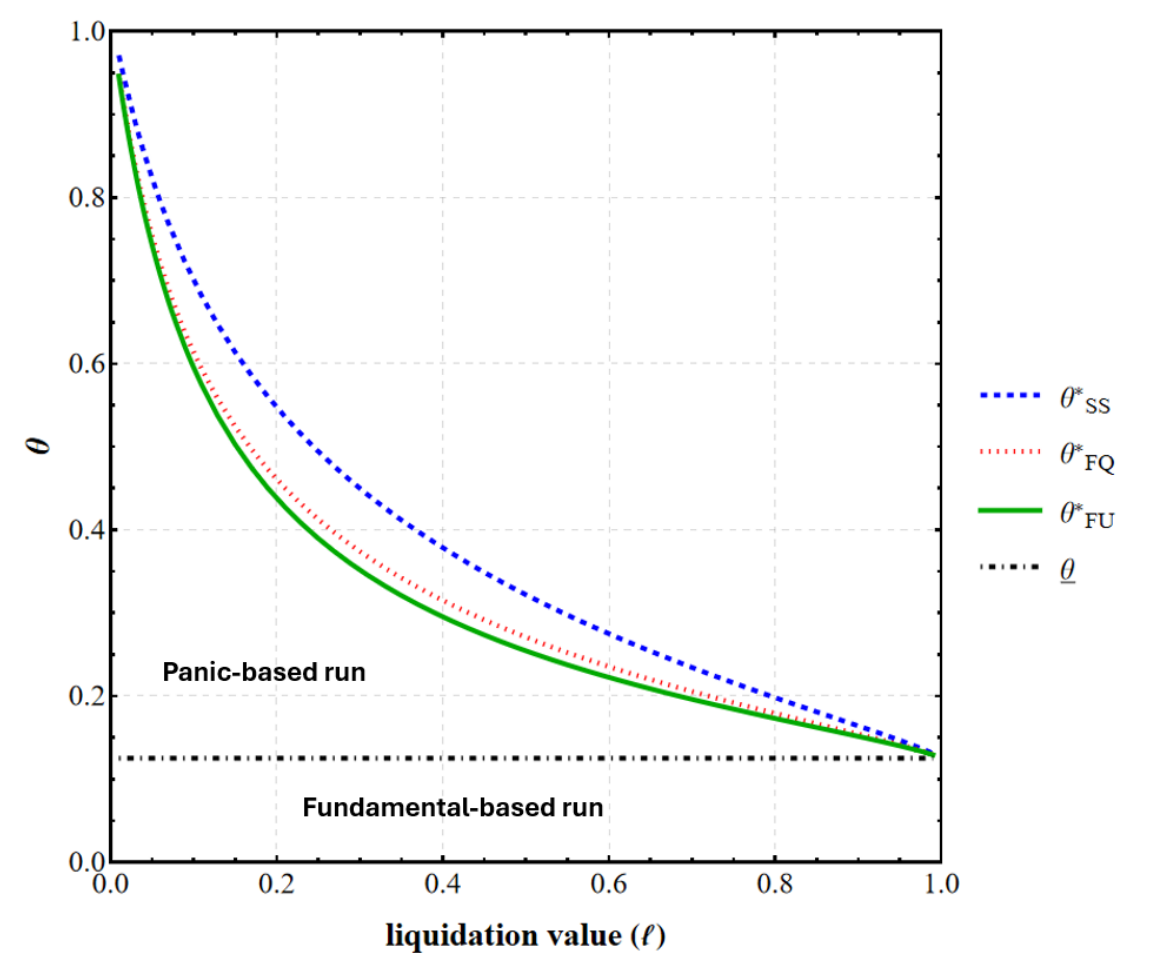
Run thresholds under sequential service and two contingent fee mechanisms.
Figure 1. Contingent fees lower run thresholds relative to standard sequential service. Matta, Oostdam, and Perotti.

Contingent Fees to Contain Bank Runs

Rafael Matta, Remo Oostdam, and Enrico Perotti / Preliminary draft

Fees activated by large deposit outflows can reduce panic-based runs on solvent banks. We show how allocating fee revenues changes withdrawal incentives and liquidity provision, revealing a trade-off between containing runs and meeting depositors' liquidity needs.

Read the paper ›
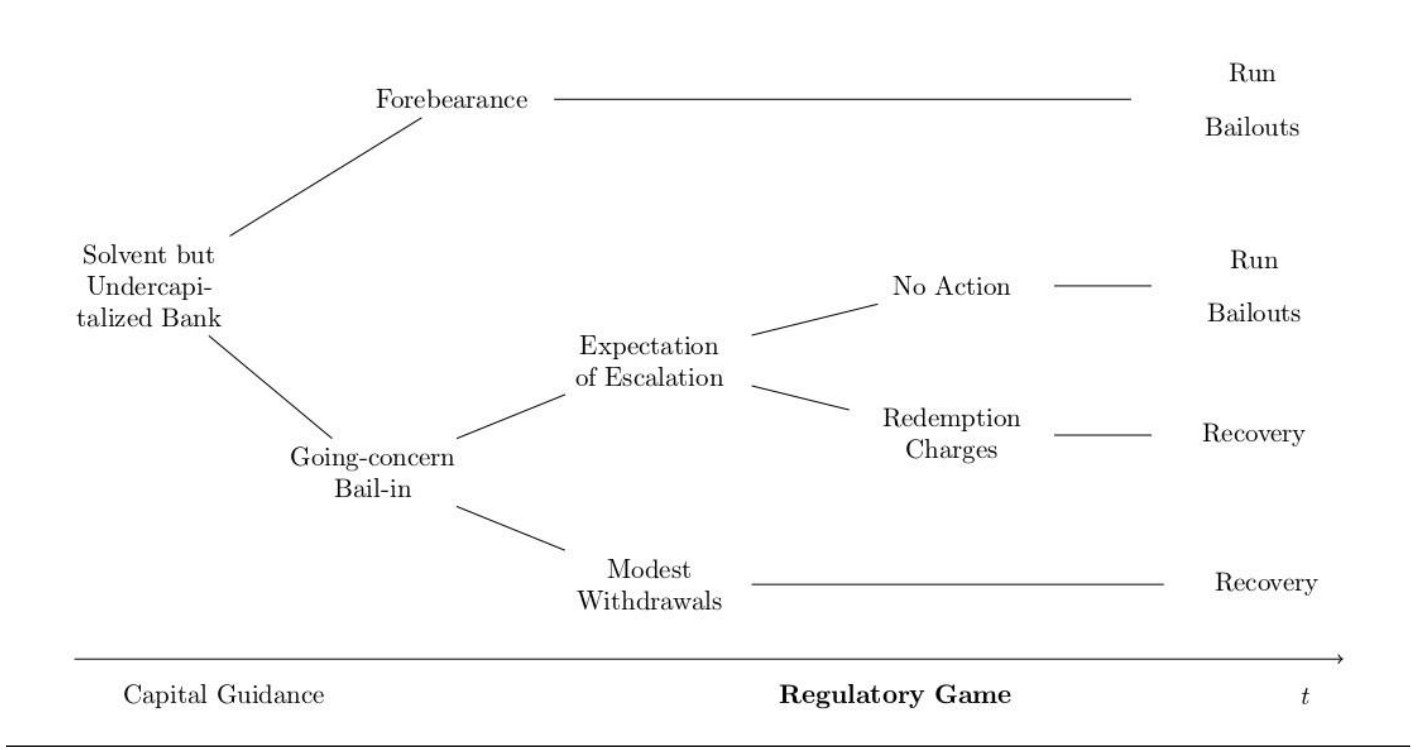
Early recapitalization and redemption charges can support bank recovery.
Figure 6. Interim interventions favoring recovery. Martino and Perotti (2025).

Containing Runs on Solvent Banks: Prioritizing Recovery over Resolution

Edoardo D. Martino and Enrico C. Perotti / Journal of Financial Crises, 2025

Solvent but undercapitalized banks can face runs before supervisors take effective action. We propose combining early recapitalization through contingent capital with automatic redemption charges during large uninsured deposit outflows, giving viable banks a chance to recover.

Read the paper ›

Publications

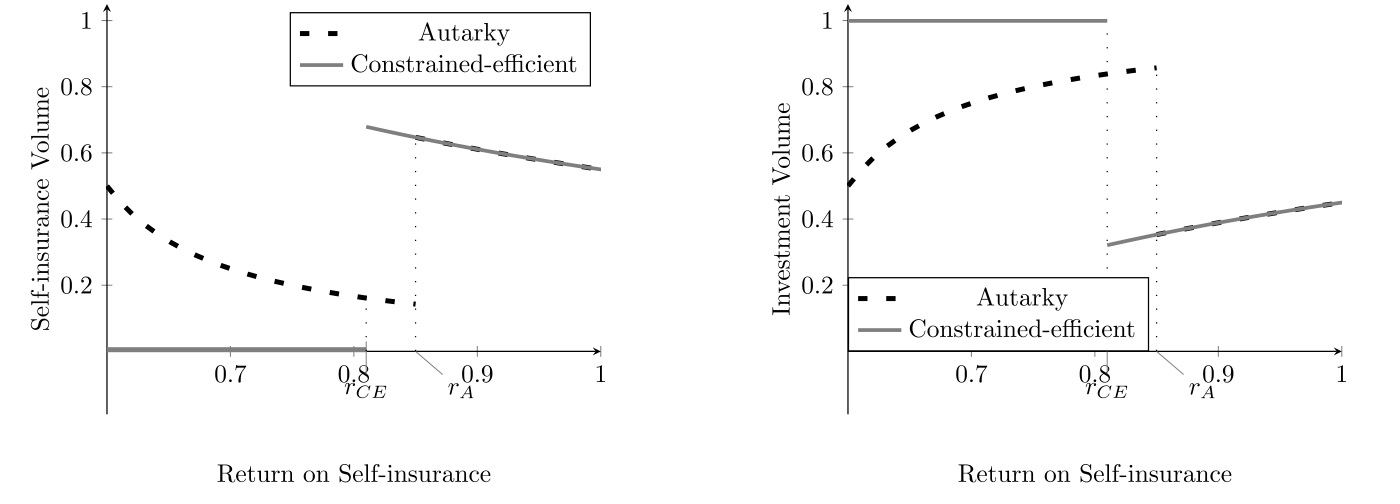
Self-insurance and project investment under autarky and the constrained-efficient allocation.
Figure 2. Reallocating self-insurance toward more efficient providers raises aggregate project investment. Perotti and Terovitis (2025).

Achieving Safety: Personal, Private, and Public Provision

Enrico Perotti and Spyros Terovitis / Journal of Economic Theory, 2025

A minimum need for safety shapes how households invest. We show how banks can reduce inefficient self-insurance by supplying safe debt, and how government debt and deposit insurance affect private safety provision and aggregate investment in different ways.

Read the paper ›
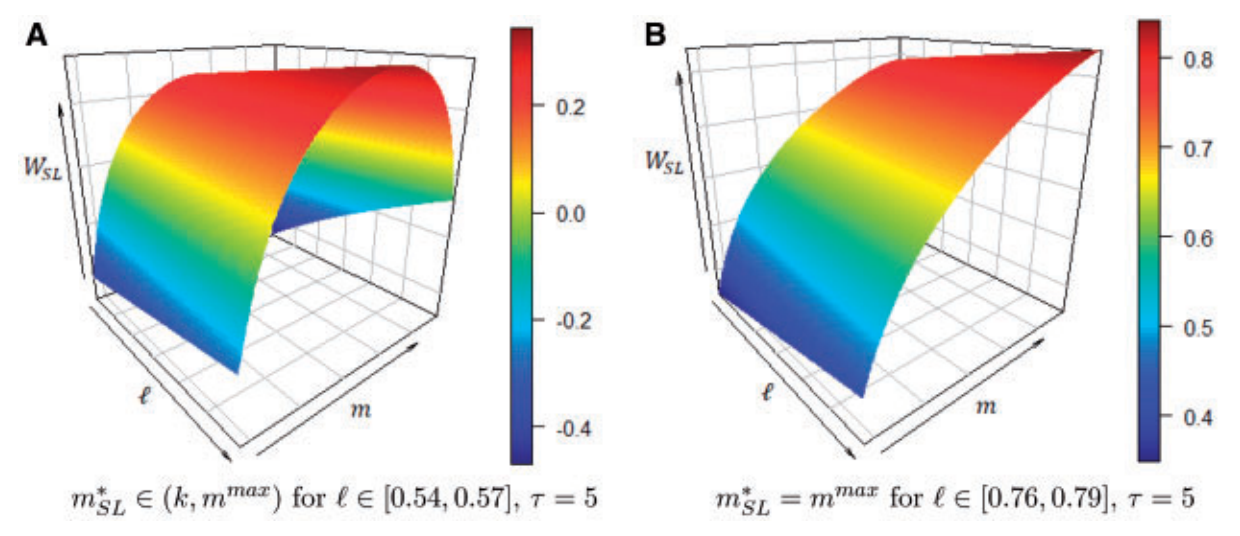
Welfare as a function of suspension timing and asset liquidation value.
Figure 4. Welfare depends on suspension timing and asset liquidation value when remaining assets are liquidated after suspension. Matta and Perotti (2024).

Pay, Stay, or Delay? How to Settle a Run

Rafael Matta and Enrico Perotti / Review of Financial Studies, 2024

How should a bank settle withdrawals during a run? We compare immediate repayment, suspension, and delayed liquidation. The best rule balances depositors' liquidity needs, fire-sale losses, and incentives to run; discretionary intervention can lead to excessive liquidation and more frequent runs.

Read the paper ›
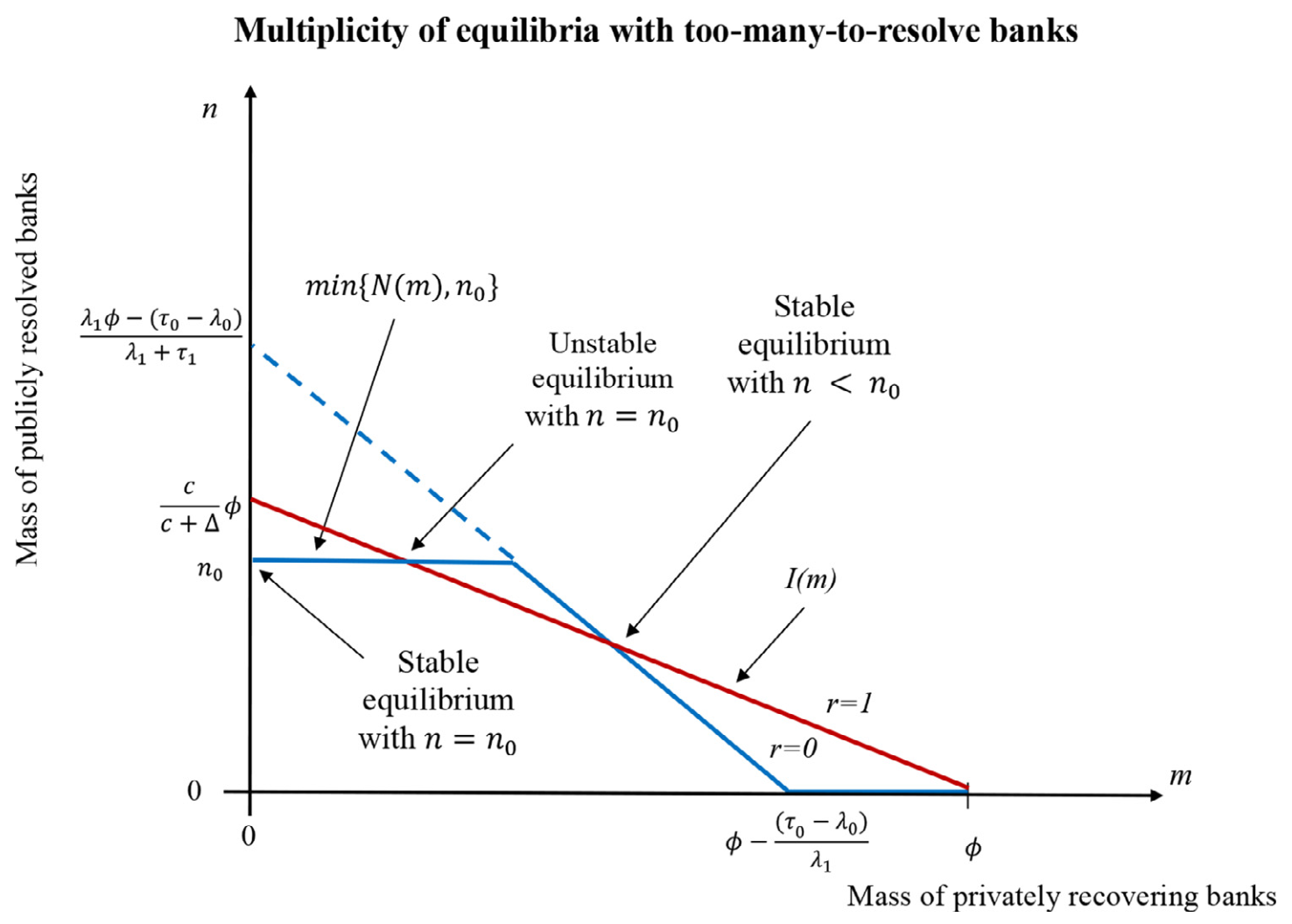
Multiple equilibria under limited resolution capacity.
Figure 2. A limit on resolution capacity can generate multiple equilibria, including one with no private recovery. Martynova, Perotti, and Suarez (2022).

Capital Forbearance in the Bank Recovery and Resolution Game

Natalya Martynova, Enrico Perotti, and Javier Suarez / Journal of Financial Economics, 2022

When intervention is costly, supervisors may struggle to credibly require weak banks to recapitalize. We show how this weakens banks' recovery incentives. Limited resolution capacity can create a too-many-to-resolve outcome, with widespread forbearance and higher systemic costs.

Read the paper ›
See all publications ›

Blogs

Commentary on banking, financial stability, and regulatory reform.

More VoxEU columns on CEPR ›

Policy Work

Since the early 1990s, I have advised governments, central banks, and international institutions on banking reform and financial stability, including DNB, the ECB, and the Bank of England.

My work advocates timely supervisory intervention and automatic stabilizers to contain outflows and support bank recovery.

More about my policy work ›